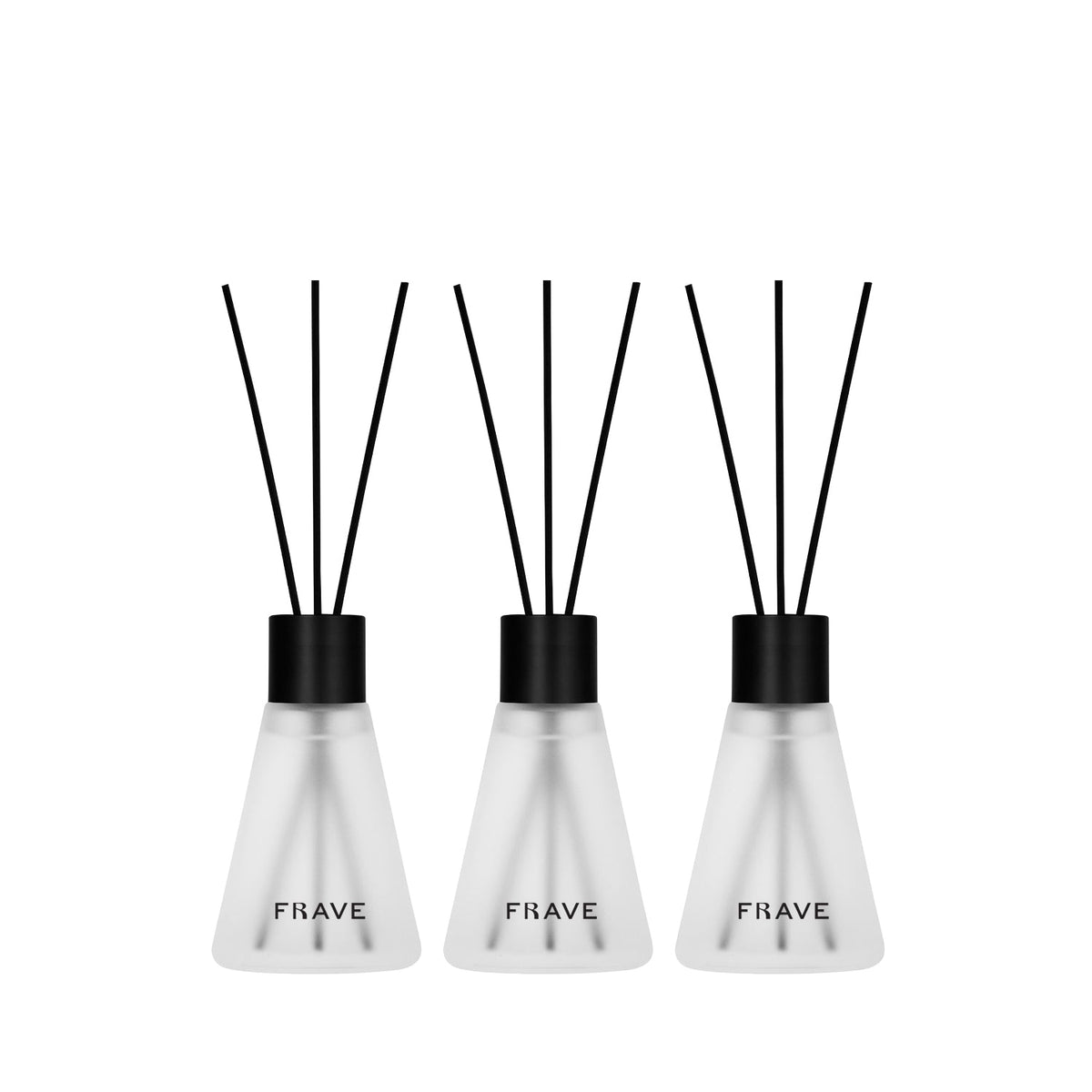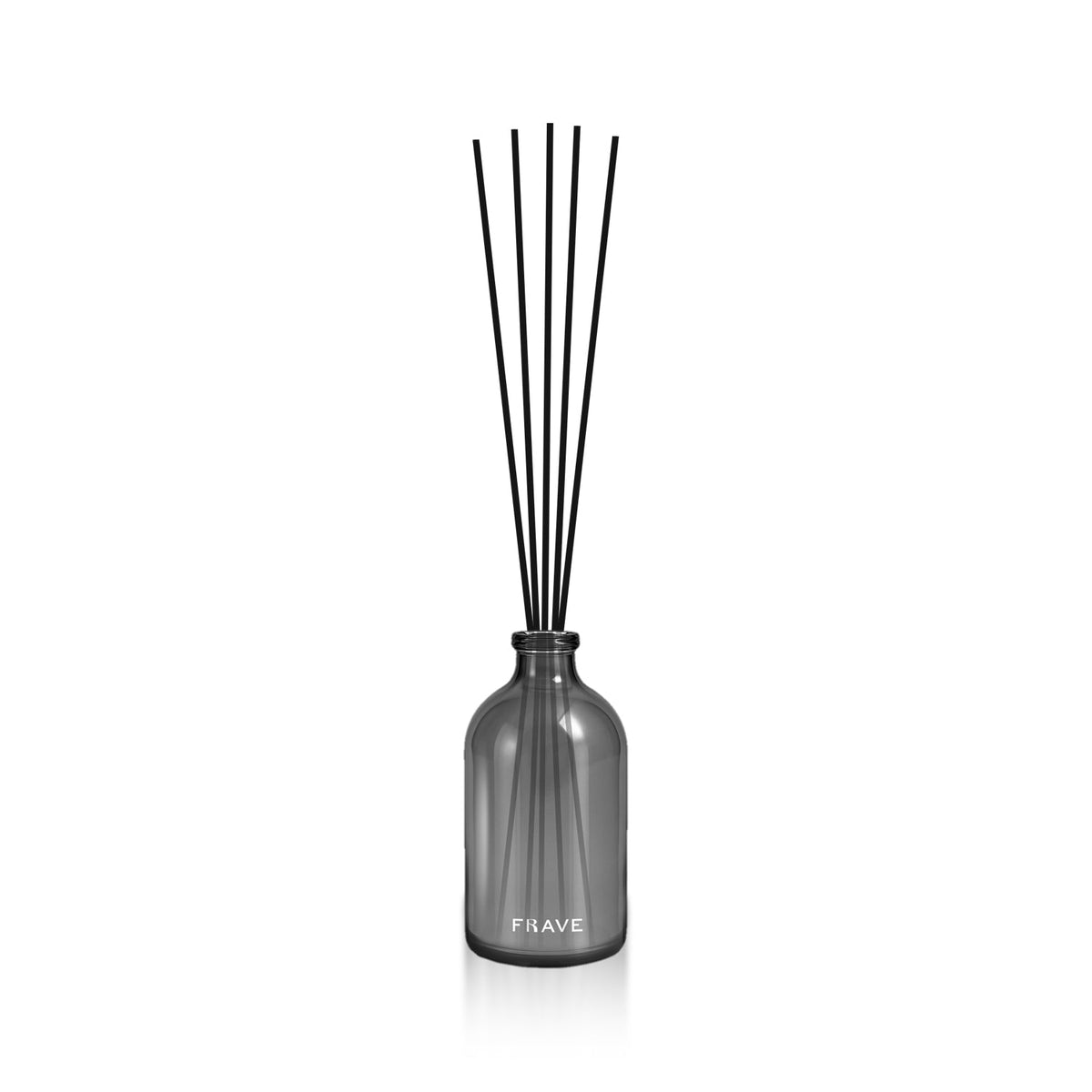
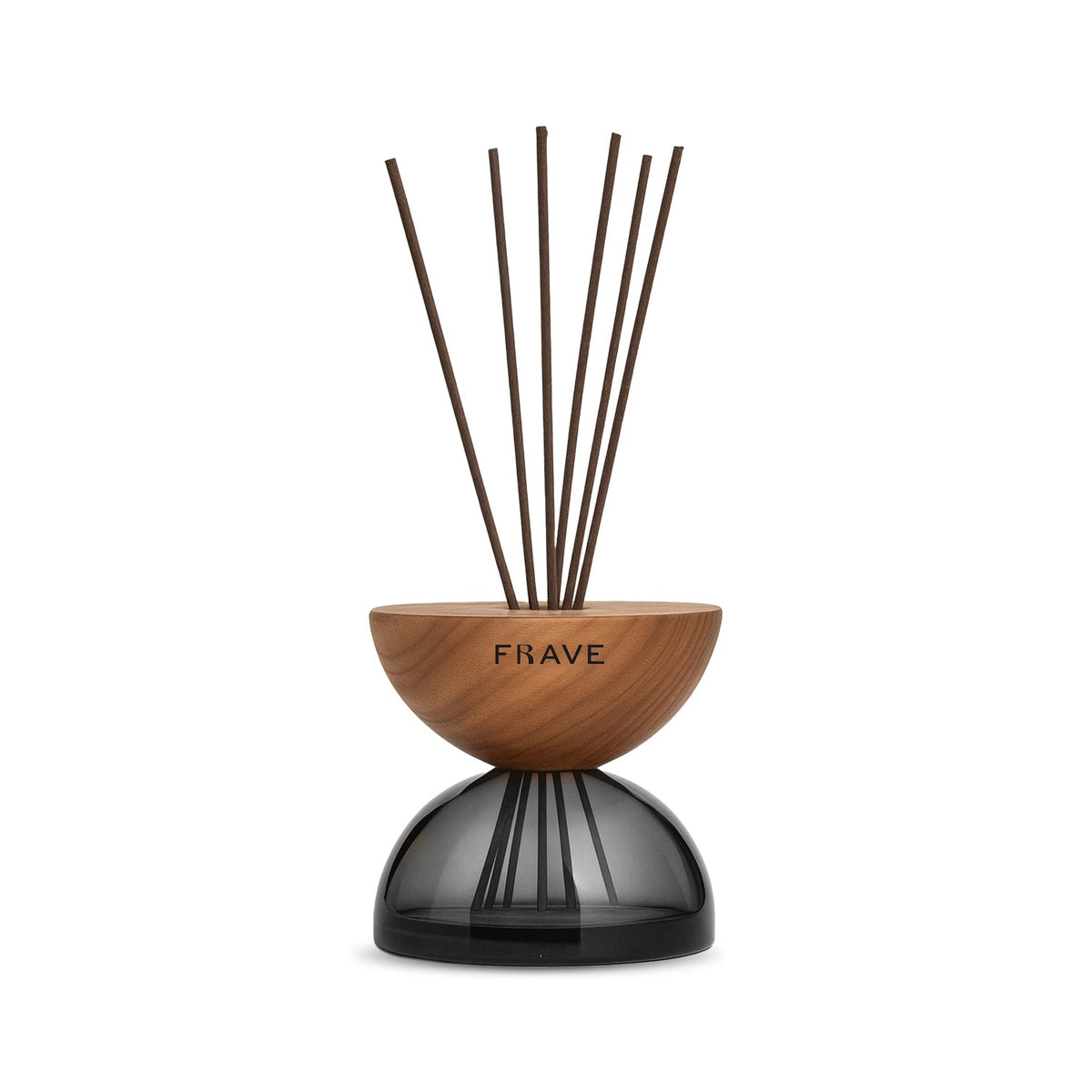
Imagine walking into a sun-drenched master suite where the air carries a faint, sophisticated whisper of White Tea & Fig. It is present but not overpowering, a soft background note that makes the space feel finished. Contrast this with a compact guest bathroom where a heavy, concentrated floral scent feels like a physical barrier. In both scenarios, the fragrance oil is likely the same, but the delivery mechanism—specifically the number of reeds submerged in the vessel—dictates the entire experience.
Why does a diffuser smell wonderful in one room and invisible in another? How many reeds are necessary to fill a high-ceilinged living area? Can you actually save your fragrance oil by using fewer sticks without losing the ambiance? Optimizing your diffuser strength is a direct function of matching the number of reeds to the square footage and airflow of your specific environment.
Understanding the Physics of Reed Diffusers
To master scent control, you must first understand how reed diffusers work. Unlike candles or electric diffusers, reed diffusers rely on capillary action. The porous sticks draw the fragrance oil upward, and once the oil reaches the top of the reed, it evaporates into the air. The more reeds you use, the more surface area is available for evaporation, which increases the scent throw.
However, more isn't always better. If you place a full set of ten reeds in a tiny powder room, the evaporation rate will be incredibly high. You will likely find the scent overwhelming, and your bottle of oil will deplete much faster than necessary. Conversely, using only three reeds in a large, open-concept kitchen will result in a scent that disappears before it ever reaches your senses. Finding the balance is the key to longevity and enjoyment.
The Room Size Calibration Guide
While every home has different humidity levels and airflow patterns, you can use these general guidelines as a starting point for calibrating your Reed Diffusers from collections like the Noire Essence or Amber Essence.
Small Spaces (Under 100 Square Feet)
For bathrooms, walk-in closets, or small entryways, the goal is a gentle hint of fragrance. Because these areas are enclosed, scent molecules accumulate quickly. Start with 3 to 4 reeds. This provides enough surface area to keep the space smelling fresh, like our Fresh Linen or Ocean Air scents, without becoming cloying. If after 24 hours the scent is too faint, add one reed at a time.
Medium Spaces (100 to 300 Square Feet)
This category covers most standard bedrooms, home offices, and dining rooms. In these spaces, you need enough throw to overcome the "stillness" of the air. We recommend starting with 5 to 7 reeds. This is the sweet spot for complex hotel-inspired scents like Velvet Check-In or My Way, allowing the different layers of the fragrance to unfold properly. If you are curious about which scents work best for these areas, consult our guide on how to choose the right scent for every room.
Large Spaces (300+ Square Feet)
Open-concept living rooms, vaulted ceilings, and finished basements are the most challenging to scent with reeds alone. To achieve a noticeable presence, you should use the full set of reeds provided with your Crystal Glass or Monvera diffuser—typically 8 to 10 sticks. For very large areas, you may even consider placing two diffusers at opposite ends of the room to ensure even distribution.
Factors That Influence Diffuser Strength
Beyond the number of reeds, external factors play a significant role in how you perceive the fragrance. Airflow is perhaps the most important. If you place a diffuser near a window, an air conditioning vent, or a high-traffic doorway, the scent will be carried further into the room, but the oil will also evaporate faster. If the room is very dry, the reeds may become brittle and require more frequent flipping.
The fragrance profile itself also matters. Lighter, citrus-based scents like Citrus Lily or Lemongrass & Green Tea naturally feel more airy and may require an extra reed to feel "present." Deeper, resinous scents like Santal or Tuscan Leather & Suede have heavier molecules that linger longer, meaning you might be able to achieve the desired effect with one or two fewer reeds than usual.
The Strength Management Checklist
Use this simple checklist to maintain the perfect scent level in your home throughout the month:
- Start Small: When opening a new bottle, start with fewer reeds than you think you need. You can always add more, but it’s harder to clear an overpowered room.
- Flip Weekly: To refresh the scent, flip the reeds once a week. This moves the "wet" ends to the top for a boost of fragrance.
- Replace Reeds: If you notice the scent fading even with a full bottle of oil, your reeds may be clogged with dust. Replace them with fresh ones to restore the throw.
- Monitor Oil Levels: If your oil is disappearing in under a month, reduce the number of reeds by two to slow down the evaporation rate.
- Seasonality: During summer months with high humidity, you may need fewer reeds than in the dry winter air.
Tuning your home fragrance is an art that requires a bit of experimentation. By adjusting your reed count based on your specific room size, you ensure that your Frave Home fragrance performs exactly as intended—creating an inviting, luxurious atmosphere that lasts. If you find that a room is simply too large for a reed diffuser to handle, you might explore our Tower electric diffuser for a more robust whole-room solution.